
With hundreds of options on the market, navigating the world of cannabis strains can feel overwhelming. You’ve probably heard terms like indica, sativa, and hybrid thrown around, but these labels don’t tell you much about what you’ll actually experience. The global cannabis industry is already a multi-billion dollar industry and is only growing more every year, yet many users still struggle to find strains that match their needs. Getting weed strains explained in clear, practical terms is essential for making informed choices.
This guide breaks down what different pot strains really mean, why traditional classifications fall short, and how to use cannabinoid profiles and terpene content to find your ideal match. Above all, you’ll learn a simple approach to testing and tracking popular weed strains that work for your specific goals.
Breaking Down Cannabis Strains: The Basics You Need to Know
What Defines a Weed Strain
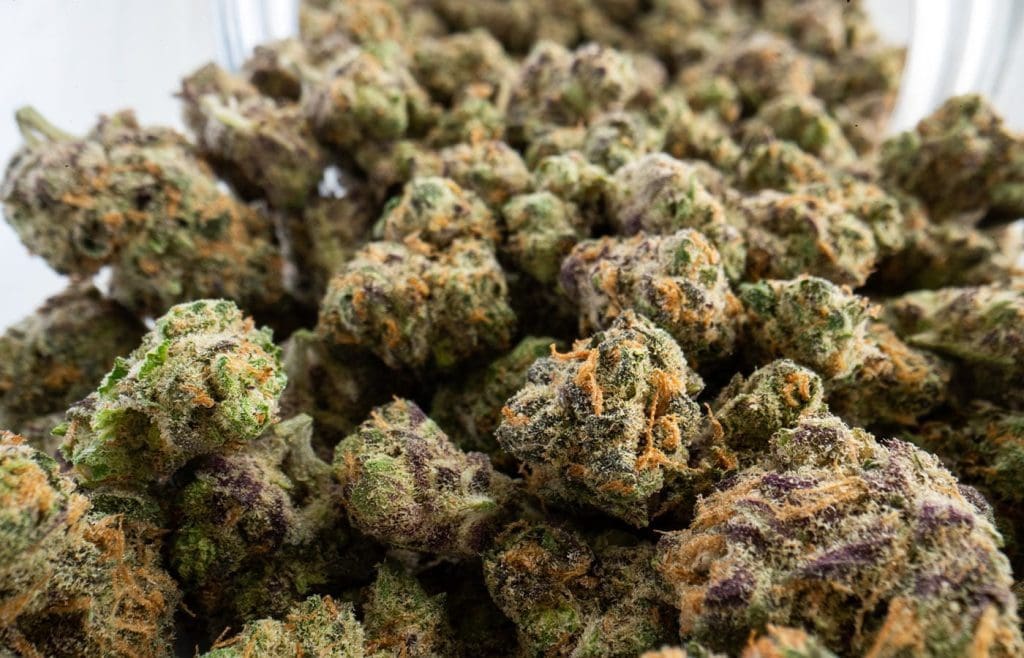
A strain refers to specific named varieties of cannabis that differ in appearance, aroma, and effect. Each strain has been bred for particular characteristics like potency, flavor profile, and the type of experience it produces. For example, Sour Diesel gets its name from a sour, fuel-like aroma, while White Widow is named for the thick coat of white resin covering its buds. 9-Pound Hammer earns its title from powerful, heavy effects.
Today, there are thousands of named cannabis varieties available due to limitless crossbreeding possibilities. These names allow for some degree of consistency in your cannabis experience. Once you find a strain that delivers what you’re looking for, you have a reference point for future purchases. In other words, if Chocolope works well for you, you can search for that strain or ask about similar options.
However, strains can vary from grower to grower and batch to batch. The OG Kush from one farm may differ in potency, appearance, and aroma from another.
The History Behind Different Pot Strains
In 1753, Carl Linnaeus classified all cannabis plants under one group, Cannabis sativa L. French biologist Jean-Baptiste Lamarck updated this classification in 1785 with two distinct species: Cannabis sativa (taller, more fibrous) and Cannabis indica (shorter, more psychoactive).
Landrace strains are the original wild varieties that evolved naturally in specific geographic regions. These strains adapted to unique environments, developing distinct characteristics and forming the genetic foundation of all modern cannabis. As cannabis spread globally, cultivators began crossbreeding different landrace strains through selective breeding. This process involved choosing parent plants with specific traits and cross-pollinating them to produce offspring with desired characteristics.
Do Weed Strains Actually Matter
Yes, strains matter because they contain different levels of cannabinoids and terpenes. The cannabinoid content plays a more significant role in effects than traditional classifications. Roughly 120 cannabinoids exist in cannabis, with THC and CBD being the most notable. Terpenes control flavor, aroma, and also impact the experience.
Given that strain names can be misleading, focus on the chemical composition listed on packaging. Even purchasing the same brand and strain doesn’t guarantee identical THC and CBD content across different packages.
Why Indica vs Sativa Classifications Don’t Tell the Whole Story
The Origin of These Categories
The indica and sativa classifications emerged in the 18th century to describe hemp crops grown for fiber and seeds, not to predict effects on users. These distinctions were purely botanical. Sativa plants grew tall with narrow leaves, thriving in warm climates with long seasons. Indica varieties stayed short with broad leaves, adapting to colder climates and shorter growing periods.
Most indica varieties originated from Central Asia and the Indian subcontinent, including Afghanistan, Pakistan, northern India, Tibet, and Nepal. Sativas generally came from equatorial regions like Thailand, southern India, Jamaica, and Mexico. The classifications were built on the work of Linnaeus and Lamarck but focused on plant morphology, not biochemical content.
What They Mean for Growers vs Consumers
For growers, these terms still describe useful physical traits. Height, branching patterns, and leaf shape matter when planning cultivation space and timing harvests. However, you cannot guess the biochemical content of a cannabis plant based on its height, branching, or leaf morphology.
Dr. Ethan Russo, a neurologist and psychopharmacology researcher, states that “the sativa/indica distinction as commonly applied in the lay literature is total nonsense and an exercise in futility”. Research analyzing over 100 cannabis samples found no significant genetic difference between sativa and indica labeled products on a genome-wide scale.
Moving Beyond Outdated Labels
Modern cannabis consists of complex genetic strains due to extensive crossbreeding. A recent study analyzing the genetic makeup of over 100 cannabis plants found no gene distinction between indica and sativa samples. In fact, research showed that cannabis indica is genetically closer to industrial hemp than to sativa.
Terpene profiles, not plant appearance, drive the differences you experience. Certain terpenes appear more frequently in products labeled as sativa or indica, but these variations involve only a small number of terpenes controlled by specific genetic markers.
The Real Factors That Determine Weed Strain Effects
Cannabinoid Profiles and Ratios
Cannabinoids are responsible for cannabis effects, with THC and CBD being the most common. THC produces intoxication and typical cannabis effects like dry mouth and increased heart rate, while CBD doesn’t create a high but affects your body and brain differently. The ratio between these compounds fundamentally changes how your body responds to a product.
A 1:1 THC:CBD ratio offers equal parts of both cannabinoids, creating a balanced, manageable experience. CBD smooths out THC’s edges, reducing anxiety and paranoia. High-THC ratios like 20:1 or 10:1 deliver potent, euphoric effects suited for experienced users. CBD-dominant ratios such as 1:10 or 1:20 provide minimal psychoactive effects, focusing instead on calming and anti-inflammatory properties.
Research identifies four clinically significant ratio categories based on how CBD interacts with THC. Ratios of 1:1 or higher allow CBD to enhance THC effects. At approximately 1:2, CBD has no significant effect. Between 1:2 and 1:6, CBD may or may not protect against THC effects. At 1:6 or lower, CBD actively protects against THC’s intensity.
Terpene Content and the Entourage Effect
Terpenes determine cannabis smell and taste, but they also shape therapeutic effects. More than 144 different terpenes exist in cannabis, with each variety having a unique profile. The entourage effect suggests that cannabinoids, terpenes, and other compounds work synergistically to produce better results than isolated compounds.
Another study showed CBD and THC combined provided superior pain management compared to THC alone. Terpenes aren’t intoxicating by themselves, yet they help produce cannabis’ therapeutic effects like pain relief. Certain terpenes activate cannabinoid receptors at 10% to 50% of THC’s activity, and when combined with THC, they significantly increase receptor activity.
How to Read Product Labels and Certificates
Product labels display potency analysis showing cannabinoid percentages. Flower products typically range from 0-30% THC, while concentrates reach 40-80% or higher. For edibles, THC appears in milligrams per serving and per package.
Terpene analysis sections list the three most prevalent terpenes and their concentrations, usually around 2%. Certificates of Analysis (COAs) show detailed testing results for cannabinoids, terpenes, and contaminants. The cannabinoid profile section displays THC, CBD, and minor cannabinoids like CBG, CBC, and CBN. Safety results confirm the product passed screenings for heavy metals, pesticides, and microbial contaminants.
Environmental Variables That Impact Strains
Environmental and agronomic factors shape the chemical composition of cannabis extracts. Fluctuations in temperature, humidity, and light lead to significant alterations in cannabinoid and terpene levels. Nitrogen source and its ratio with other nutrients significantly affect cannabinoid and terpenoid concentrations.
Studies show that outdoor-grown cannabis has greater terpene diversity and higher amounts compared to indoor plants from identical genetics. Outdoor samples contain more sesquiterpenes including beta-caryophyllene and alpha-humulene. Nutrient-deprived plants show lower yield but higher CBD concentration. Even LED light spectrum changes affect cannabinoid accumulation.
A Simple Guide to Choosing Your Ideal Strain
Start by Defining Your Goals
Choosing strains based on desired outcomes works better than chasing names or THC numbers. Identify whether you need pain management, anxiety relief, sleep support, energy, or creative focus. For relaxation and sleep, look for strains rich in myrcene or linalool. For energy and creativity, seek limonene or pinene-dominant options. Pain relief benefits from balanced THC:CBD ratios with caryophyllene content.
Understanding Potency Levels for Beginners and Experienced Users
THC concentration in cannabis averaged about 5% in the 1990s. Cannabis strains now average 15-20%, with some reaching 35%. For beginners, cannabis with 5-10% THC provides a safe starting point. This range delivers mild to moderate effects that remain easier to control. High THC flower typically falls in the 20-30% range or higher, preferred by experienced users.
Keeping Track of What Works for You
A cannabis journal helps you track symptoms and understand how different products affect you. Record the date, time, strain name, dosage, consumption method, and both positive and negative effects. Note the cannabinoid and terpene profile from the dispensary when possible. This data allows you to pinpoint what works and make informed adjustments.
Conclusion
Getting weed strains explained doesn’t have to be complicated once you look past outdated indica and sativa labels. Focus instead on cannabinoid ratios and terpene profiles that align with your specific goals. Start with lower potency options, particularly if you’re new to cannabis, and track your experiences in a journal. This personalized approach beats chasing popular strain names every time. The right strain for you exists, and now you have the tools to find it systematically.
FAQs
Q1. How do I choose the right cannabis strain for my needs? Start by identifying your specific goals, whether that’s pain relief, better sleep, energy, or relaxation. Look beyond strain names and focus on the cannabinoid ratios (THC:CBD) and terpene profiles listed on product labels. Begin with lower potency options if you’re new to cannabis, and keep a journal to track which products work best for you. Consulting with knowledgeable dispensary staff can also help guide your selection.
Q2. Does the THC percentage really determine how strong the effects will be? Not necessarily. While THC percentage indicates potency, it doesn’t tell the whole story. A strain with 20% THC can sometimes produce stronger effects than one with 30% THC due to the entourage effect—the way cannabinoids and terpenes work together. The overall chemical composition, including terpene content and the ratio of different cannabinoids, plays a more significant role in determining your experience than THC percentage alone.
Q3. Are indica and sativa classifications still useful for choosing cannabis? These classifications are outdated for predicting effects. Indica and sativa originally described physical plant characteristics for growers, not the experience for consumers. Modern cannabis consists of complex hybrids, and research shows no significant genetic difference between products labeled indica or sativa. Instead of relying on these labels, focus on the specific cannabinoid ratios and terpene profiles to better predict how a product will affect you.
Q4. What should beginners look for when trying cannabis for the first time? Beginners should start with products containing 5-10% THC, which provides a manageable introduction without overwhelming effects. Consider balanced THC:CBD ratios like 1:1, as CBD helps smooth out THC’s intensity and reduces the risk of anxiety. Start with a low dose—a single puff or 2.5 mg edible—and wait at least 20 minutes (or 2 hours for edibles) before consuming more.
Q5. Why do the same strain names sometimes produce different effects? Strains can vary significantly between growers and even between batches from the same producer due to environmental factors like temperature, humidity, light exposure, and nutrients. These variables affect cannabinoid and terpene concentrations. Additionally, there’s no standardized testing across the industry, and strain names aren’t always accurate. This is why focusing on the actual chemical composition listed on certificates of analysis is more reliable than trusting strain names alone.
*None of the information given is intended as medical advice. As always, please use discretion with cannabis in all forms and consult a professional when needed*
Signup to get our best deals and specials.