
Over 70% of chronic pain patients who used cannabis reported significant symptom relief, and with chiropractic care projected to grow ten percent by 2031, holistic chiropractic techniques are gaining serious attention. What happens when you combine these two powerful natural healthcare approaches? The holistic approach to wellness focuses on treating your whole body, not just symptoms. In this guide, you’ll discover how cannabis and chiropractic care work together to enhance healing, reduce inflammation, and support your journey toward balanced body holistic healthcare and lasting wellness.
The Holistic Approach to Healing: Beyond Symptom Management
Health and disease don’t exist as separate conditions. They represent points on a path that moves in two directions, either toward wellness or toward illness. Your biological makeup, daily behaviors, stress levels, sleep quality, and the environments where you live and work all influence which direction you move.
Treating the Whole Person, Not Just Pain
The holistic approach to healing views your body as an interconnected system where every organ, pathway, and function relates to others. When one area struggles, the effects ripple through your entire system. This philosophy shifts focus from managing symptoms to identifying and addressing underlying causes.
Holistic practitioners spend considerably more time with patients compared to conventional appointments. Initial consultations often run one hour or longer, with follow-up visits lasting 30 minutes or more. This extended time allows for comprehensive evaluation of physical, behavioral, emotional, and environmental factors affecting your health.
Take migraine headaches as an example. Rather than simply prescribing medication, a holistic chiropractor examines all potential contributing factors: other health conditions, dietary patterns, sleep habits, stress triggers, personal challenges, and lifestyle elements. The treatment plan might include therapies for immediate relief alongside lifestyle modifications to prevent future episodes.
Natural Healthcare vs. Traditional Medicine
Traditional medicine primarily addresses symptoms through standardized treatments like prescription drugs or surgery. It excels at acute care and employs evidence-based protocols with advanced diagnostic tools. On the other hand, natural healthcare emphasizes nature-based remedies and personalized approaches to restore balance among mind, body, and environment.
Integrative medicine bridges both worlds. It brings conventional and complementary approaches together in coordinated care, using multimodal interventions such as physical rehabilitation combined with acupuncture, yoga, or nutritional therapy. This framework treats you as a whole person rather than focusing on one organ system.
The distinction matters because lifestyle factors drive most chronic disease. Among U.S. adults, 90% of Type 2 diabetes, 80% of cardiovascular disease, 70% of stroke, and 70% of colon cancer are potentially preventable through modifiable lifestyle changes as seen in official studies. Addressing behaviors early and managing stress can prevent multiple diseases while restoring health across your lifespan.
Why Drug-Free Options Matter
Non-opioid therapies prove at least as effective as opioids for many common pain types. Noninvasive and nonpharmacologic approaches improve pain and function without risks of serious harm, addiction, overdose, or long-term dependence.
You can manage common acute pain conditions with nonopioid methods, including low back pain, neck pain, dental pain, kidney stones, musculoskeletal injuries like sprains and strains, minor surgical pain, and headaches. Exercise, mind-body interventions, and behavioral treatments encourage active participation in your care plan while addressing how pain affects your daily life.
Specifically, research shows acupuncture helps ease chronic pain types, massage therapy benefits muscular pain and stress-related discomfort, and cognitive behavioral therapy manages how you think about and react to pain. A 2015 study found that 40% of chronic back pain patients reported their pain was better or eliminated after 10 weeks of hourlong weekly massages, compared to just 4% treated with anti-inflammatory medication.
Physical activity provides additional benefits beyond pain relief, including preventing or reducing depression symptoms. The holistic approach maximizes these drug-free strategies as appropriate because they don’t carry the same risks as pharmaceutical interventions, allowing you to address multiple health aspects simultaneously through natural healing chiropractic methods.
Chiropractic Techniques for Spinal Health and Wellness
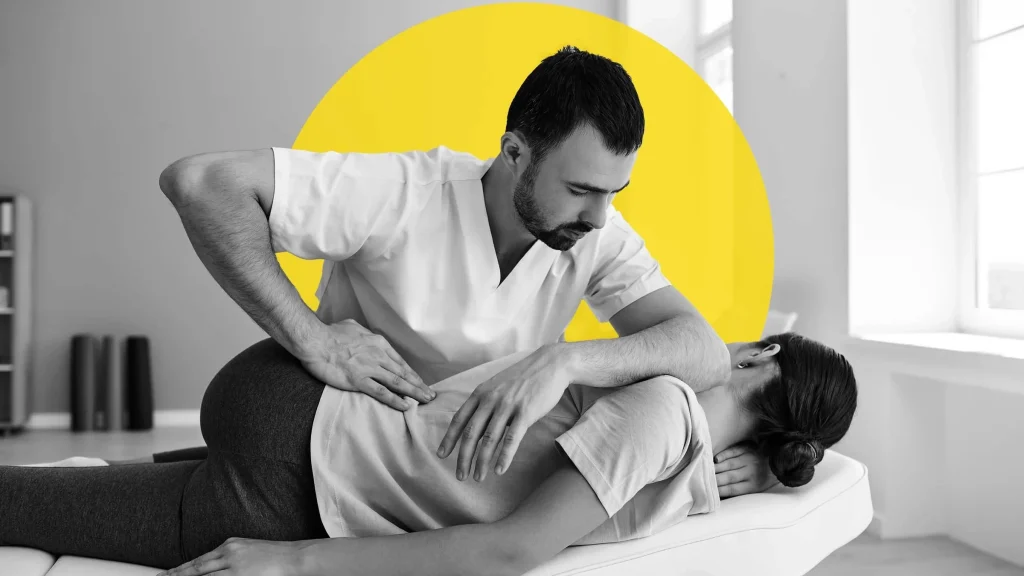
Your spine houses the central highway for nerve signals traveling between your brain and body. When vertebrae shift out of alignment, they create interference that disrupts this communication network. Chiropractic adjustments restore proper positioning, allowing your nervous system to function without obstruction.
Spinal Adjustments and Nervous System Function
Spinal manipulation regulates your autonomic nervous system at both peripheral and central levels. Adjustments activate your parasympathetic system to counterbalance sympathetic activity, producing measurable physiological changes. A cervical manipulation triggers parasympathetic responses including lowered heart rate, reduced blood pressure, and pupil constriction. Correspondingly, adjustments to upper thoracic and lumbar regions with significant sympathetic innervation produce opposite effects.
Research demonstrates that chiropractic care alters afferent input from your spine, leading to changes in central nervous system function. Adjustments stimulate dysfunctional paraspinal tissues, which modulates central processing and alters how your brain perceives pain. Specifically, chiropractic care impacts the pain matrix in your brain, changing how you feel pain through top-down cortico-limbic-brainstem inhibition. Studies show adjustments increase pain tolerance and reduce temporal summation in chronic pain patients.
Furthermore, spinal adjustments release neurotrophins like BDNF and NGF, which prove essential for treating depression. In fact, 50-65% of patients with chronic pain are also diagnosed with depression, and chiropractic manipulative therapy addresses both conditions simultaneously.
Different Chiropractic Methods
The Diversified Technique remains the most widely used method, employed by 95.9% of chiropractors. This approach uses high-velocity, low-amplitude thrusts to restore joint movement and often produces the characteristic popping sound from gas bubble release in synovial fluid.
Extremity manipulating treats joints beyond the spine, including shoulders, elbows, wrists, hips, knees, and ankles, and is used by 95.5% of practitioners. The Activator Method, utilized by 62.8% of chiropractors, employs a spring-loaded instrument delivering lighter, quicker thrusts suitable for patients preferring gentler approaches.
Gonstead Technique (58.5%) focuses on precise posterior-to-anterior adjusting using X-ray analysis and temperature gradient studies. Cox Flexion-Distraction (58.0%) uses a specialized table for gentle spinal traction, particularly effective for disk herniations. The Thompson Technique (55.9%) incorporates drop pieces that assist adjustments while minimizing required force.
Benefits Beyond Pain Relief
Professional athletes recognize advantages that extend far beyond symptom management. All 32 NFL teams, all 30 MLB teams, and the US Olympic Team incorporate chiropractic care into recovery routines to keep athletes performing at peak levels.
Benefits include enhanced mobility and flexibility, optimized performance across all ages and abilities, stress reduction through released muscle tension, improved posture reducing text neck, and nervous system optimization for better brain-body connection. Studies suggest chiropractic adjustments improve immune response by reducing nerve interference, allowing your immune system to function more effectively. Many patients report feeling more relaxed and energetic following treatment, as reduced spinal nerve stress alleviates physical symptoms of anxiety.
Prevention and Long-Term Health
Chiropractic wellness care identifies and corrects potential problems before they become severe. Regular spinal check-ups prevent small issues from developing into major conditions, supporting spine and joint longevity while promoting healthy aging and mobility. This proactive approach reduces dependency on pain medication and lowers the frequency of colds and minor infections. Patients maintaining consistent care often experience fewer aches, increased energy, and improved ability to engage in various activities, thereby enhancing overall quality of life.
Cannabis as a Complementary Wellness Tool
Cannabis contains over 100 chemical compounds called cannabinoids, with CBD (cannabidiol) and THC (tetrahydrocannabinol) being the primary therapeutic agents. Both interact with your endocannabinoid system, which regulates pain sensation, inflammation, mood, and immune response.
Understanding CBD vs. THC for Health
CBD and THC share identical molecular structures but produce vastly different effects. THC binds directly with CB1 receptors in your brain, producing euphoria or a “high” sensation. In contrast, CBD does not bind directly to these receptors and causes no intoxication, making it appealing for medical use without altered cognition.
Both compounds address similar conditions including pain, nausea, anxiety, and insomnia. However, CBD decreases seizures and helps with psychosis, while THC increases appetite and may worsen anxiety at higher doses. THC can cause temporary side effects and long-term negative psychiatric effects, particularly in adolescents. CBD remains well tolerated even in large doses, with dosing appearing safe at 25mg/kg.
Anti-Inflammatory and Pain Management Properties
Multiple experimental models demonstrate that THC, CBD, and CBG exhibit activity against inflammation. CBD treatment significantly reduces inflammatory markers including IL-6, TNF-α, COX-2, and iNOS expression in various tissue models. High-CBD cannabis extracts reduce skin inflammation mediators, while oral treatment with CBD-rich extracts reduces intestinal inflammation.
Regarding pain relief, 29% of people taking cannabis experienced a 30% reduction in pain compared to 26% taking placebo. Among cancer patients, 70% reported improved pain and general well-being after cannabis use. CBD alone provides less pain relief than THC alone or THC combined with CBD. Acute inhalation of THC produces greater analgesia compared to placebo in chronic pain patients with only mild side effects.
Supporting Sleep, Mood, and Recovery
Low dose THC enhances subjective sleep quality, whereas high doses increase insomnia symptoms. CBD administration of 15 mg proved as effective for improving sleep quality as 5 mg of melatonin. Studies show 79.9% reduction in anxiety measurements and 36.43% improvement in sleep using 30 mg oral CBD.
Forms and Delivery Methods
Inhalation provides the fastest effects within minutes but shorter duration. Vaping exposes you to fewer toxins than smoking. Edibles take 30 minutes to two hours for full effects but last 4-10 hours because THC becomes five times more active when digested. Tinctures taken sublingually onset within 15-45 minutes. Topical products provide localized comfort without psychoactive effects since cannabinoids react with receptors under your skin but don’t reach the bloodstream.
The Synergy Effect: How Combined Care Enhances Results
Chiropractic care and cannabis work together because both employ natural approaches that act on your muscles, nerves, circulation, and bones as focal points. This partnership creates a multiplying effect, where each therapy enhances the other’s benefits through complementary mechanisms.
Reducing Muscle Tension Before and After Adjustments
CBD relaxes muscles before and between chiropractic treatments. This muscle relaxation proves valuable because tense tissues resist alignment corrections, making adjustments more difficult and sometimes requiring additional sessions. When your muscles release tension through CBD use, chiropractors can perform adjustments more effectively with less force.
Many practitioners find CBD reduces the number of adjustments patients need. The compound acts on your body’s endocannabinoid system, which receives signals from cannabinoids and regulates pain, inflammation, and immunity. By introducing CBD into this system, you provide powerful relief that extends the benefits of each chiropractic visit.
Faster Healing Through Inflammation Control
CBD triggers pathways that reduce inflammation, benefiting conditions like rheumatoid arthritis. Inflammation plays a critical role in wound healing, yet excessive or prolonged inflammatory responses delay recovery and increase scarring. The inflammatory phase must resolve properly for tissue repair to progress efficiently.
Adding CBD topicals enhances your endocannabinoid system‘s response to chiropractic therapies by resolving inflammation and accelerating recovery. This proves particularly beneficial for ongoing treatment of chronic pain, as CBD oil works in conjunction with spinal adjustments to provide relief that addresses both structural imbalances and symptom management.
Supporting Mental and Physical Balance
CBD affects serotonin levels and shows promise in treating various forms of anxiety. Chronic pain patients often experience concurrent mental health challenges, with physical discomfort creating stress that compounds healing difficulties. The combined approach addresses nervous system regulation through adjustments while CBD provides mental symptom relief.
Both therapies reduce dependence on strong prescription drugs. This natural pathway gives you more control over long-term pain management without risking pharmaceutical side effects or dependency issues.
Real Patient Experiences
Many chiropractors now recommend CBD oil for follow-up care because it enhances the effects of in-office treatments. Using the two in combination enhances chiropractic treatment effects and provides a safe option for those wanting maximum benefit from their care. The merging of these therapies creates a long-lasting treatment option for pain and suffering, improving quality of life and daily functioning.
Building Your Personalized Holistic Care Plan
Creating a personalized holistic care plan requires finding the right practitioners and products that align with your wellness objectives. This integrated approach combines professional guidance with informed self-care decisions.
Finding a Holistic Chiropractor
Choosing a holistic chiropractor means looking beyond temporary pain relief to find someone who focuses on your overall health, posture, movement, and lifestyle. Look for practitioners with strong reviews, advanced training, and a whole-body approach highlighted throughout their website. Holistic chiropractors take a comprehensive approach to health and wellness, considering the interconnectedness of your body, mind, and spirit in treatment plans. Root cause practitioners uncover and address underlying imbalances affecting your physical body, biochemistry, and neuro-emotional well-being.
Choosing Quality Cannabis Products
Selecting reputable cannabis products requires attention to quality assurance. Look for companies providing third-party lab testing results, using organic hemp, and employing CO2 extraction methods. Each label should contain a QR code linking to an independent testing site. Consider the product’s potency, ingredients, and administration method. Choose manufacturers offering full-disclosure labels displaying cannabinoid milligrams for clear potency per serving.
Setting Realistic Health Goals
Break down your goals into small, daily habits that become engrained in your lifestyle. Rather than vague intentions like “get healthier,” set specific targets such as exercising three times weekly or achieving a healthy body-mass-index. Goals provide direction, but habits deliver results through repeated routines.
Combining with Exercise, Nutrition, and Lifestyle Changes
Your body’s healing ability shapes response to treatment. Nutrition supplies building blocks for tissue repair, muscle support, and joint health. Hydration keeps spinal disks cushioned, while balanced meals with protein aid muscle repair. Simple lifestyle changes like movement breaks, optimized ergonomics, and quality sleep support alignment.
Measuring Success and Adjusting Your Approach
Holistic treatment plans evolve over time. Through periodic assessments, practitioners ensure your treatment remains effective and balanced. By maintaining low, effective doses, you prevent tolerance build-up, making cannabis a sustainable long-term solution. Many patients find cannabis enables them to decrease dosage of other medications, reducing potential side effects.
Conclusion
Cannabis and chiropractic care complement each other through shared principles: natural healing, whole-body wellness, and drug-free pain management. When you combine spinal adjustments with targeted cannabinoid therapy, you’re addressing both structural alignment and systemic inflammation simultaneously.
The synergy between these approaches creates better outcomes than either method alone. Given that lifestyle factors drive most chronic diseases, this integrated strategy gives you powerful tools for prevention and recovery without pharmaceutical risks.
Start by finding a holistic chiropractor who understands whole-person care, then explore quality cannabis products suited to your specific needs. All things considered, this partnership represents a sustainable path toward lasting wellness and improved quality of life.
FAQs
Q1. How does combining cannabis with chiropractic care improve treatment outcomes? Cannabis and chiropractic care work synergistically by addressing different aspects of healing. Cannabis reduces muscle tension and inflammation, making spinal adjustments more effective and requiring less force. Meanwhile, chiropractic adjustments restore proper nerve function and spinal alignment. Together, they provide faster recovery, enhanced pain relief, and longer-lasting results than either therapy alone.
Q2. What’s the difference between CBD and THC for pain management? CBD and THC have the same molecular structure but produce different effects. THC binds directly to brain receptors and causes a “high” while providing pain relief and increasing appetite. CBD doesn’t cause intoxication and is well-tolerated even in large doses. For pain relief, THC or THC combined with CBD tends to be more effective than CBD alone, though CBD excels at reducing inflammation and anxiety without psychoactive effects.
Q3. Can chiropractic care help with conditions beyond back pain? Yes, chiropractic care offers benefits far beyond pain relief. Regular adjustments enhance mobility and flexibility, improve immune system function, reduce stress and anxiety, optimize athletic performance, and support better posture. Many patients report increased energy levels, fewer colds and infections, and improved overall quality of life through consistent chiropractic wellness care.
Q4. How should I choose quality cannabis products for wellness purposes? Look for products with third-party lab testing results accessible via QR codes on labels. Choose companies that use organic hemp and CO2 extraction methods. Check for full-disclosure labels showing exact cannabinoid milligrams per serving. Consider the potency, ingredients, and delivery method (inhalation, edibles, tinctures, or topicals) that best suits your specific health goals and lifestyle.
Q5. What makes holistic healthcare different from traditional medicine? Holistic healthcare treats you as a whole person rather than focusing solely on symptoms. Practitioners spend more time with patients (often an hour or more initially) to evaluate physical, emotional, behavioral, and environmental factors affecting health. The approach emphasizes identifying and treating root causes, supporting your body’s natural healing ability, and using the least invasive methods first, while traditional medicine primarily addresses symptoms through standardized treatments like prescription drugs or surgery.
*None of the above should be taken as medical advice and as always, cannabis should be used safely and with discretion*
Signup to get our best deals and specials.