
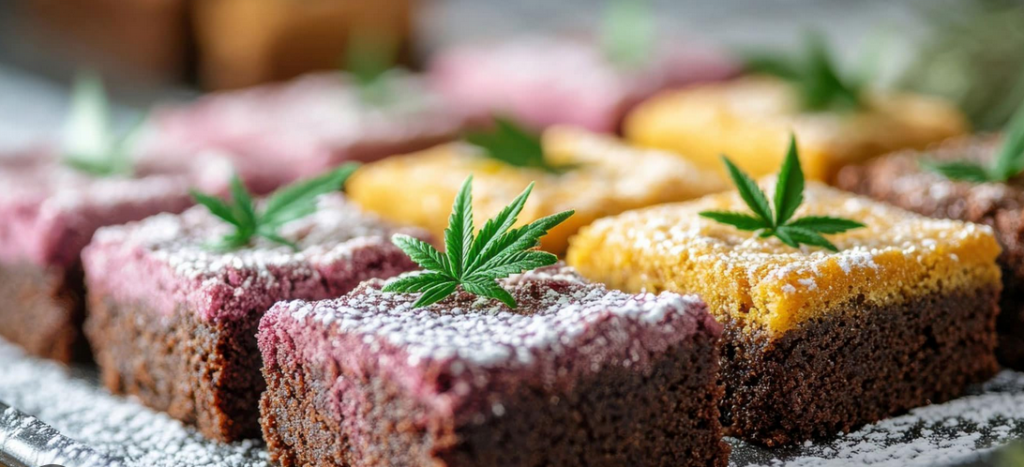
At Oasis Superstore we love our culinary customers. Ever wonder what they cook up at home? Cannabis edibles have delighted people across cultures for thousands of years. Those iconic pot brownies? They’ve been a beloved part of cannabis culture since the 1950s. Today, creating your own cannabis-infused treats at home feels both exciting and surprisingly simple. You get complete control over what goes into your body, plus the satisfaction of crafting something delicious with your own hands.
Cannabis butter brings rich, creamy texture to baked goods, while cannabis oil opens up possibilities with coconut, avocado, or olive oil bases. Each method offers its own benefits and flavors.
This guide takes you from cannabis flower to finished edibles. You’ll learn foolproof infusion techniques, master beginner-friendly recipes, and discover how to achieve consistent potency every time. We cover both traditional cannabutter methods and plant-based alternatives, so everyone can join the fun. Ready to fill your kitchen with the aroma of fresh-baked cannabis treats?
Essential Cannabis Infusion Methods
Understanding decarboxylation for baked goods
Think of decarboxylation as waking up your cannabis. Raw flower contains THCA, a compound your body can’t easily process for the effects you’re seeking. Heat works like a gentle nudge, removing a carboxyl group and transforming THCA into the familiar THC we know and love.
Your oven becomes your best friend here. Set it to 220°F and spread your broken-up cannabis across a parchment-lined baking sheet. Timing matters: older or lower-quality material needs just 20 minutes, while cured high-grade flower requires 45 minutes. Recently harvested cannabis might need up to 60 minutes. Watch for the color change from bright green to rich amber brown—that’s your signal. Done right, this process converts more than 80% of THCA into active THC.
Skip this step and you’ll end up with disappointing edibles that barely deliver. Sure, some people toss raw cannabis straight into hot butter, but separate decarboxylation always produces stronger results.
Making cannabutter: the foundation recipe
Unsalted butter gives you complete control over your final flavors. Heat 1½ cups water with 8 oz butter in a medium saucepan over very low heat. That water acts as insurance against burning—trust the process.
Add your ground, decarboxylated cannabis once the butter melts completely. Now comes the patience part: simmer gently for 4 hours, giving it a stir every 30 minutes. Keep temperatures under 180°F to protect those precious cannabinoids. When time’s up, strain everything through cheesecloth into your storage container. Pop it in the fridge until solid, then transfer to an airtight container. Your cannabutter stays fresh for six months in the refrigerator.
Cannabis oil alternatives for baking
Coconut oil earns top marks for cannabis infusion thanks to its high saturated fat content—cannabinoids love binding to those fats. Fill a mason jar with your decarboxylated cannabis and coconut oil, then nestle that jar into a slow cooker filled with water. Set everything to low and let it work for 3-6 hours, keeping temperatures between 160-200°F.
Olive oil offers another path, though its monounsaturated fats capture about 20-25% fewer cannabinoids than saturated fats. Still perfectly usable, just adjust your expectations accordingly.
How to calculate edible potency
Math makes dosing predictable. One gram of 15% THC cannabis contains 150 milligrams of THC. Divide that gram into 24 cookies, and each cookie gets roughly 6.25mg THC. Factor in a 70% transfer rate during infusion, and your actual dose lands closer to 4.4mg per cookie.
New to edibles? Stick with 1 to 2.5mg THC per serving. Feeling more confident? Most intermediate users find their sweet spot between 5 to 10mg per serving.
Testing and adjusting your dosage
Start small—take half your intended dose first. Edibles need 1 to 2 hours to show their true colors, unlike smoking’s immediate feedback. Made your batch too potent? No worries. Mix your strong cannabutter or oil with regular, non-infused versions to dial down the intensity.
Beginner-Friendly Cannabis Baked Goods Recipes
How to make weed brownies with cannabutter
These classic brownies deliver that perfect fudgy texture everyone craves. Combine ½ cup cannabutter with 1 cup granulated sugar and ¼ cup brown sugar. Beat in 2 eggs and 1 teaspoon vanilla extract until smooth. Sift together ¾ cup flour, ½ cup cocoa powder, ½ teaspoon salt, and ¼ teaspoon baking powder. Fold wet and dry ingredients together just until combined—overmixing creates tough brownies. Pour into a greased 8×8-inch pan and bake at 350°F for 25-30 minutes. Cool completely before cutting into 9 equal squares.
Cannabis chocolate chip cookies recipe
Nothing beats the smell of fresh-baked cookies wafting through your kitchen. Cream ½ cup cannabutter with ¾ cup white sugar until light and fluffy. Beat in 1 egg and ½ teaspoon vanilla. Whisk 1¼ cups flour, ½ teaspoon baking soda, and ½ teaspoon salt in a separate bowl. Gradually mix dry ingredients into the wet mixture until just combined. Fold in 1 cup chocolate chips. Drop tablespoon-sized portions 2 inches apart on parchment-lined baking sheets. Bake at 375°F for 7 minutes—they’ll look slightly underdone but will continue cooking on the hot pan.
Easy cannabis Rice Krispie treats
Perfect for those moments when you want something sweet without turning on the oven. Melt 6 tablespoons cannabutter in a saucepan over medium-low heat. Add 10 ounces mini-marshmallows and stir constantly until completely melted and smooth. Remove from heat, then stir in 1 teaspoon vanilla and ¼ teaspoon salt. Add 6 cups Rice Krispies cereal and mix until every piece is well coated. Press the mixture firmly into a buttered 8×8-inch pan using a spatula or your hands. Cool for 1 hour before cutting into 9 pieces.
Cannabis-infused banana muffins
Ripe bananas are key here—the spottier, the sweeter. Mash 4 very ripe bananas with ⅓ cup melted cannabutter until smooth. Stir in ¾ cup sugar, 1 egg, and 1 teaspoon vanilla. Mix 1½ cups flour, 1 teaspoon baking soda, and a pinch of salt in another bowl. Gently combine wet and dry ingredients, then fold in chocolate chips if desired. Fill greased muffin cups ¾ full. Bake at 350°F for 20-23 minutes until a toothpick comes out with just a few moist crumbs. Makes 12 muffins.
Simple pot brownies using cannabis oil
Want to skip the butter-making step? Cannabis-infused coconut oil works beautifully as a 1:1 replacement for cannabutter in any brownie recipe. The oil provides convenience and a lighter, more neutral flavor—especially helpful for vegan bakers.
Vegan cannabis cookie recipe
These plant-based treats prove you don’t need dairy for delicious results. Beat 140ml cannabis-infused coconut oil with 1 cup sugar and ¼ cup brown sugar. Add ½ cup almond milk, 1 tablespoon vanilla, and one prepared flax egg (1 tablespoon ground flaxseed mixed with 3 tablespoons water, let sit 5 minutes). Mix in 2 cups flour, 3 tablespoons cocoa powder, 1 teaspoon baking soda, and ½ teaspoon salt. Fold in vegan chocolate chips. Bake at 200°C for 10-12 minutes until edges are set.
Tips for Baking Perfect Cannabis Edibles
Choosing the right cannabis strain for edibles
THC and CBD ratios matter more than indica versus sativa labels when you’re picking cannabis for homemade edibles. A balanced experience comes from strains with a 1:1 ratio of THC to CBD. Think about the flavor story you want to tell with your treats.
Terpenes shape both taste and aroma. Limonene brings bright citrus notes, myrcene adds herbal depth, and caryophyllene delivers a peppery kick. These natural compounds work beautifully when matched to your recipe. Citrusy strains shine in lemon bars and orange cookies, while earthier strains complement chocolate brownies and spiced muffins. New to edibles? CBD-rich or balanced strains offer gentler effects that won’t overwhelm.
Preventing the cannabis taste in baked goods
Shorter infusion times often work better than you might expect. Cannabis butter infused for just 45 minutes to one hour captures 80 to 90 percent of available cannabinoids. This approach also keeps that grassy flavor from taking over your treats.
Try blending two parts regular butter with one part cannabutter. You’ll keep the potency while letting your cake or cookie flavors shine. Chocolate becomes your best friend here—its natural bitterness smoothly incorporates herbal notes. Want to get creative? Brown your butter first, then add cannabis to the nutty, toasted fat. This technique adds complexity without burning delicate cannabinoids.
How to avoid uneven potency in your batch
THC likes to clump together because it’s fat-soluble and doesn’t play well with water-based ingredients. This can create hot spots in your batch where some pieces pack more punch than others.
An immersion blender or hand mixer becomes essential for thorough mixing. Blend your cannabis oil completely into your recipe base before adding other ingredients. Once everything comes together, mix that batter or dough completely before you start portioning. This extra step prevents one cookie from being mild while another sends you to the moon.
Best practices for mixing cannabutter into recipes
Heat management keeps your cannabinoids intact. Stay below 350°F during cooking to preserve potency. Here’s a pro tip: add your cannabutter after removing the pan from direct heat, then stir while everything stays warm.
Made your batch too strong? Don’t worry—you can fix this. Mix your potent cannabutter with regular butter to dial back the intensity. This rescue technique lets you salvage a batch that might otherwise sit unused in your freezer.
Storing and Enjoying Your Homemade Baked Edibles
Proper storage containers for cannabis baked goods
Glass or stainless steel containers with tight seals work best for your homemade edibles. These materials block harmful UV light and keep oxygen away from your treats. Wrap each brownie or cookie individually in plastic wrap or foil, then tuck them into your airtight containers. Your edibles stay fresh in the refrigerator for up to two weeks.
Want to keep them longer? The freezer becomes your friend. Wrap edibles well and slip them into freezer-safe bags to avoid freezer burn. Skip clear glass jars or regular plastic bags—they let light and air damage your carefully crafted treats.
How to label homemade edibles safely
Every container needs clear labels. Write down the THC dose per piece, when you made them, and add a bold “CONTAINS THC” warning. Keep these treats in child-resistant containers, stored completely separate from your regular snacks. Nobody wants an accidental mix-up. Those “KEEP OUT OF REACH OF CHILDREN” labels aren’t just suggestions—they’re essential safety measures.
Understanding onset time and effects
Patience becomes your best friend with edibles. Effects typically start kicking in between 30 to 90 minutes, reaching their peak around 2 to 4 hours after you eat them. The experience can last anywhere from 6 to 12 hours. Your metabolism, body weight, and whether you’ve eaten recently all play roles in how quickly things happen.
What to do if you consume too much
Take a deep breath and find somewhere comfortable to relax. Cannabis has never caused a fatal overdose. Sip some water, stay away from alcohol, and consider taking CBD if you have it—it can help calm THC’s intensity. The uncomfortable feelings will fade within a few hours.
Safe consumption guidelines for beginners
Start small with 2.5 mg of THC and give it at least 2 hours before considering more. Plan to stay put—don’t drive or operate any machinery after enjoying your edibles.
Conclusion
Your cannabis baking adventure starts with the fundamentals you’ve just learned. Decarboxylation, proper infusion techniques, and accurate dosing form the foundation of every successful batch. These skills give you the freedom to experiment with flavors, adjust potency to your preferences, and create treats that rival anything from a dispensary.
Begin with straightforward recipes—brownies and cookies offer the perfect training ground for new cannabis bakers. Low doses keep your first experiences pleasant and educational. Once you’ve mastered these basics, your kitchen becomes a playground for cannabis creativity.
Safety remains your top priority throughout this journey. Clear labeling protects everyone in your household, while proper storage keeps your edibles fresh and secure. Remember that responsible consumption and storage practices make cannabis baking enjoyable for years to come.
FAQs
Q1. What cannabis-infused treats should beginners start with? Beginners should start with simple recipes that require minimal steps and offer predictable results. Cannabis brownies, chocolate chip cookies, and Rice Krispie treats are excellent starting points because they’re straightforward to make and allow for easy dosage control. These recipes use cannabutter or cannabis oil as the infusion method, making them accessible for first-time edible makers.
Q2. Is cannabutter suitable for all types of baked goods? Yes, cannabutter works exceptionally well for most baked goods because it’s high in saturated fats that bind effectively with cannabinoids. It’s particularly ideal for cakes, brownies, and cookies. You can substitute cannabutter in any recipe that calls for regular butter using a 1:1 ratio, making it a versatile foundation ingredient for cannabis baking.
Q3. How long do cannabis edibles take to produce effects? Cannabis edibles typically take 30 to 90 minutes to begin working, with full effects appearing around 2 to 4 hours after consumption. The effects can last anywhere from 6 to 12 hours on average. Factors like metabolism, body weight, and whether you’ve eaten beforehand all influence the onset time and duration of effects.
Q4. Does consuming edibles affect the liver differently than alcohol? Alcohol poses a greater direct risk to the liver than cannabis edibles in most cases. Chronic alcohol use is a well-established cause of fatty liver disease, hepatitis, and cirrhosis, whereas cannabis edibles don’t carry the same level of liver toxicity associated with regular alcohol consumption.
Q5. What should I do if I accidentally consume too much of a cannabis edible? Stay calm and find a comfortable, safe space to relax. Drink plenty of water, avoid consuming alcohol, and consider taking CBD to help counteract THC intensity. Remember that no fatal cannabis overdose has ever been reported, and the uncomfortable feelings will pass within several hours. Never attempt to drive or operate machinery during this time.
Signup to get our best deals and specials.